FSHD
Satellos is developing a regenerative approach for facioscapulohumeral muscular dystrophy (FSHD), designed to restore the body's natural ability to repair muscle.
Facioscapulohumeral muscular dystrophy (FSHD) is one of the most common muscular dystrophies, affecting an estimated 1 in 8,000 to 1 in 20,000 people worldwide.¹ ² FSHD is caused by abnormal activation of the DUX4 gene of which there are two types: FSHD1, in which a genetic change on chromosome 4 leads to this abnormal activation; and FSHD2, which variants in genes that normally help keep DUX4 silenced¹ result in its abnormal activation. The condition causes progressive, often disproportional muscle weakness that typically begins in the face, shoulders, and upper arms, and can advance over time to affect the trunk and lower body.¹ There are currently no approved disease-modifying therapies for FSHD.¹
- Preston MK, Tawil R, Wang LH. Facioscapulohumeral Muscular Dystrophy. GeneReviews®. University of Washington, Seattle. Updated 2025. https://www.ncbi.nlm.nih.gov/books/NBK1443/
- Deenen JCW, Arnts H, van der Maarel SM, et al. Population-based incidence and prevalence of facioscapulohumeral dystrophy. Neurology. 2014;83(12):1056-1059. https://doi.org/10.1212/WNL.0000000000000797
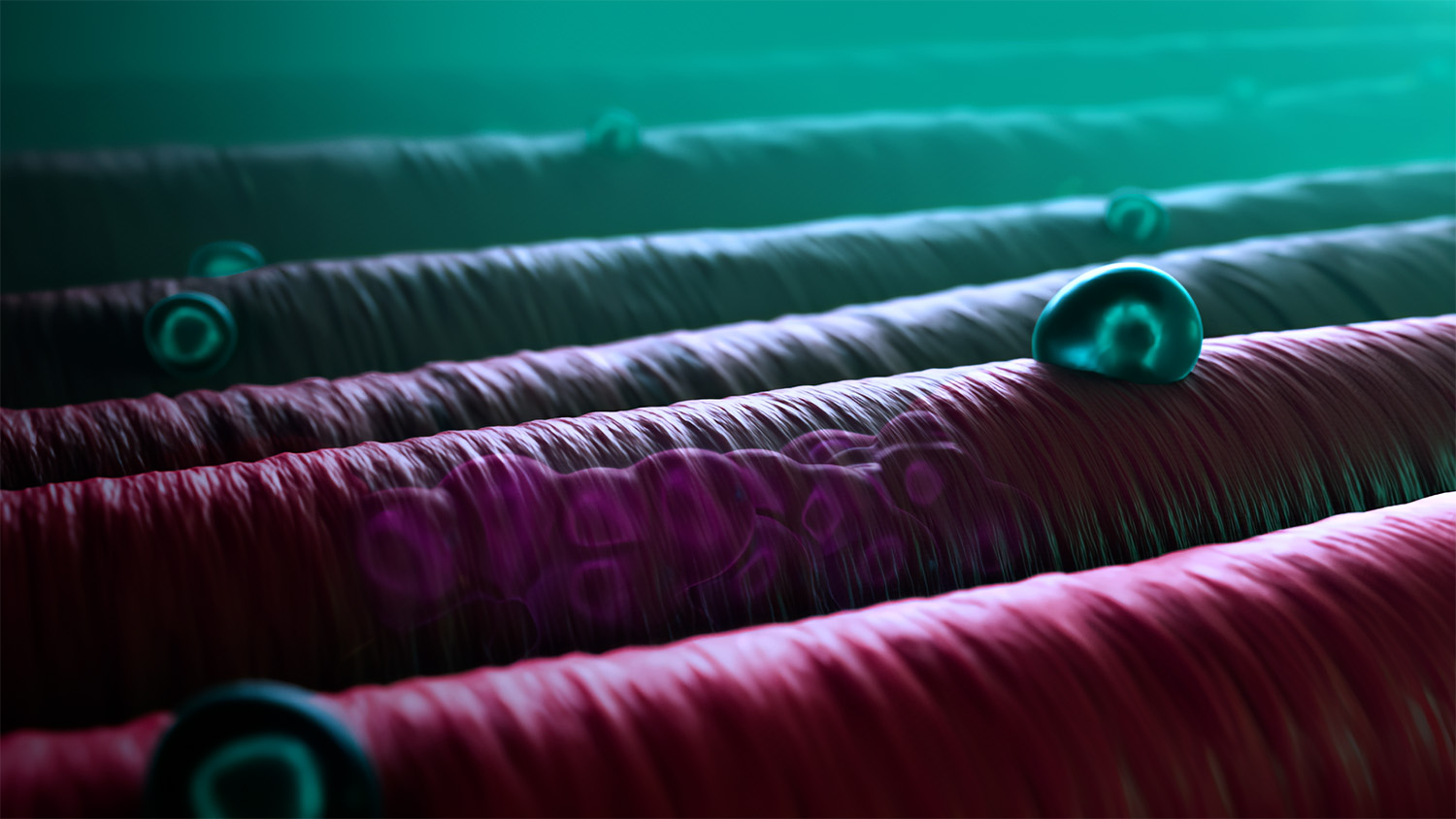
Healthy muscle depends on muscle stem cells to repair damage and regenerate new muscle tissue. In FSHD, abnormal DUX4 activity disrupts this regenerative process, limiting the muscle’s ability to repair itself.
Forazapadin (SAT-3247) is designed to enhance muscle stem cell function by selectively inhibiting AAK1, helping enhance the body’s natural repair process. In preclinical models of FSHD, forazapadin improved muscle strength, supporting its advancement into clinical development.
Satellos is advancing forazapadin as a potential treatment for FSHD, building on encouraging preclinical findings that support its regenerative approach. For more information about our upcoming Phase 2 clinical trial in FSHD, visit ClinicalTrials.gov.
If you or a person you know have been diagnosed with FSHD, we have listed below organizations that provide resources and services for patients, family members, caregivers, and supporters. Click on the logo to be taken to each organization’s website.